Libertarian Party
On the political map: Right economically · socially centrist
Founded in 1971, the Libertarian Party is the largest U.S. third party. It applies one principle — maximize individual liberty, minimize government — to both economic and social life: free markets and deep spending cuts on one side; civil liberties, drug decriminalization, and non-intervention abroad on the other. That combination places it off the usual left–right line.
Take the quiz: Am I a Libertarian? →Signature positions
- Deep cuts to taxes, spending, and the national debt
- Minimal business and financial regulation
- Strong civil liberties and privacy protections
- End the drug war and decriminalize personal choices
- Keep government out of abortion and marriage
- A non-interventionist foreign policy and a smaller military
The two-cow parable
The classic economics joke, Libertarian Party edition — a ~20-second explainer.
The platform, issue by issue
Each issue runs left ↔ right(−1…+1), distilled from the party's most recent national platform. A simplified, directional read — not a substitute for the platform itself.
Members of Congress most aligned with this platform
Every current member ranked by how closely their voting record matches this platform, using the same issue-by-issue similarity as the My Politics quiz. No sitting member belongs to this party, so these are the members whose records land closest to it.
- 1
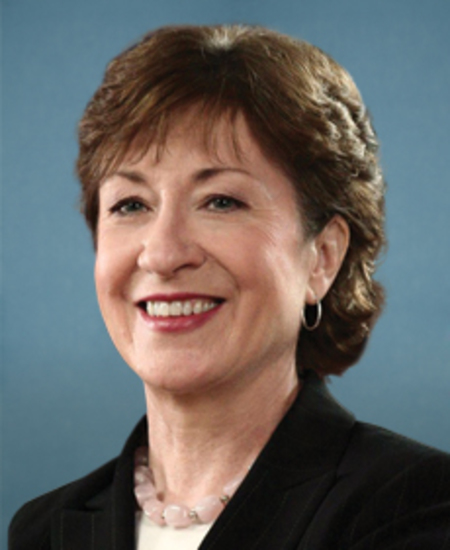 Susan M. CollinsR · ME · Senate78%
 - 2
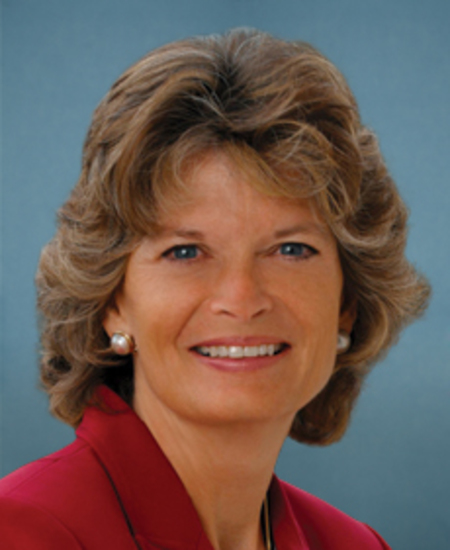 Lisa MurkowskiR · AK · Senate73%
 - 3
 Jared F. GoldenD · ME-2 · House73%
 - 4
 Thomas MassieR · KY-4 · House72%
 - 5
 H. Morgan GriffithR · VA-9 · House69%
 - 6
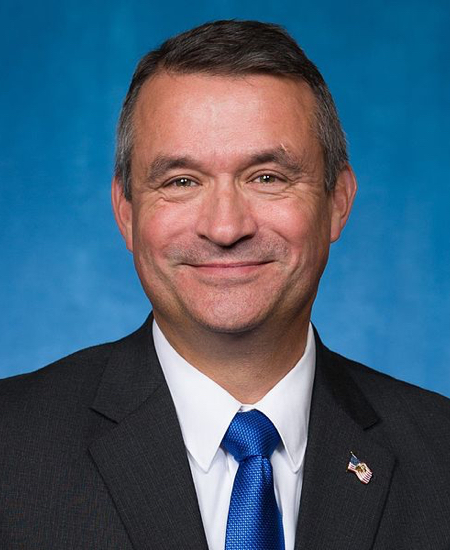 Don BaconR · NE-2 · House69%
 - 7
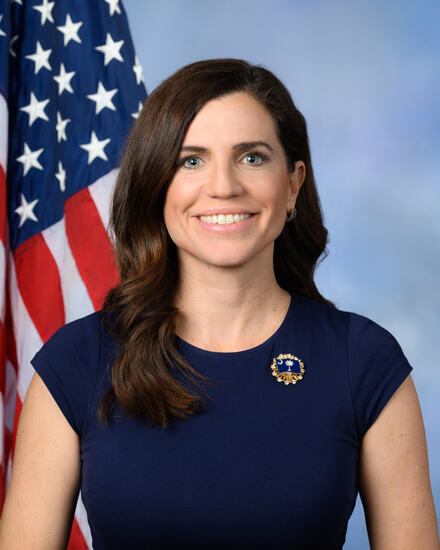 Nancy MaceR · SC-1 · House69%
 - 8
 Marie Gluesenkamp PerezD · WA-3 · House69%
 - 9
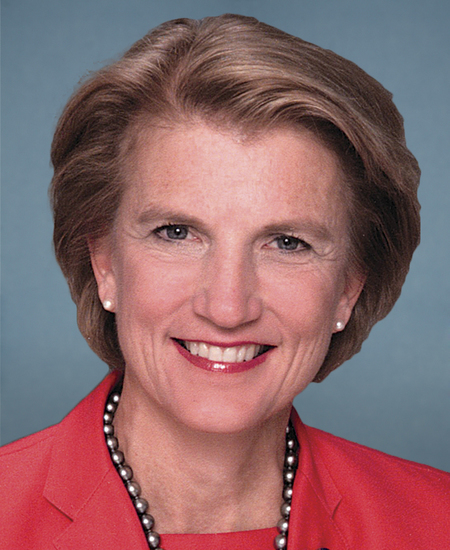 Shelley Moore CapitoR · WV · Senate68%
 - 10
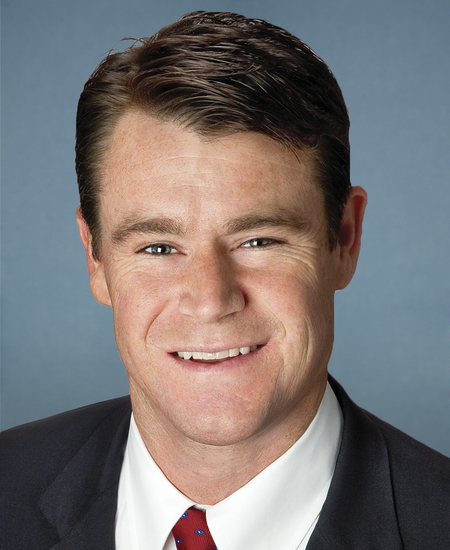 Todd YoungR · IN · Senate68%
 - 11
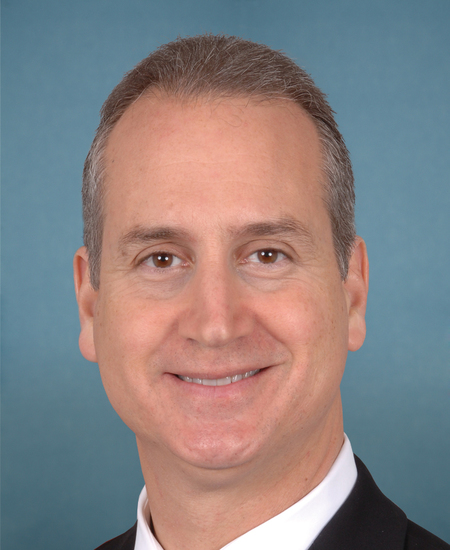 Mario Diaz-BalartR · FL-26 · House68%
 - 12
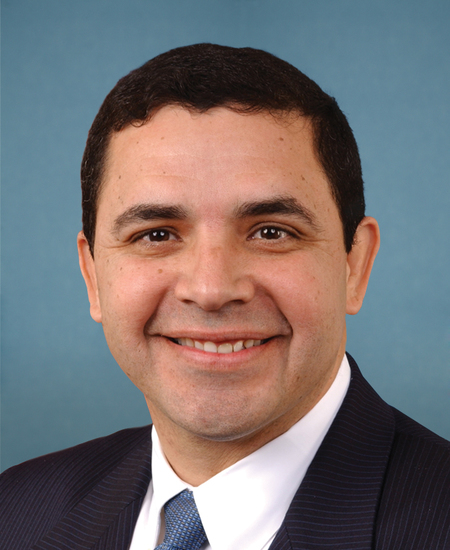 Henry CuellarD · TX-28 · House68%
 - 13
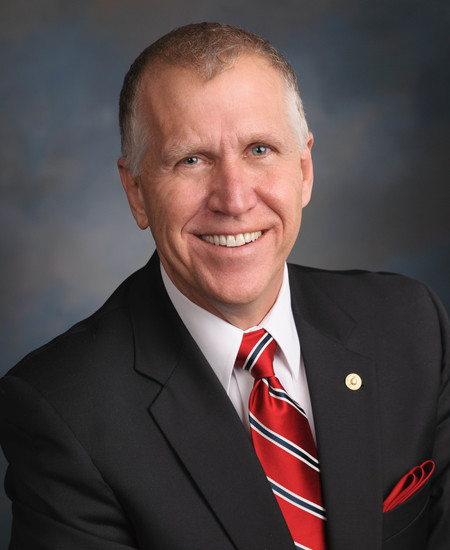 Thom TillisR · NC · Senate68%
 - 14
 Andy BiggsR · AZ-5 · House68%
 - 15
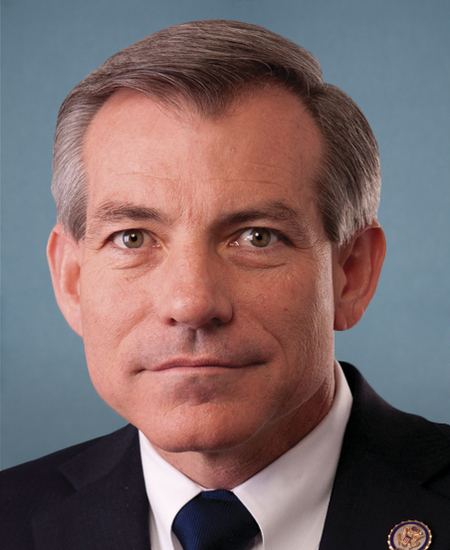 David SchweikertR · AZ-1 · House68%
 - 16
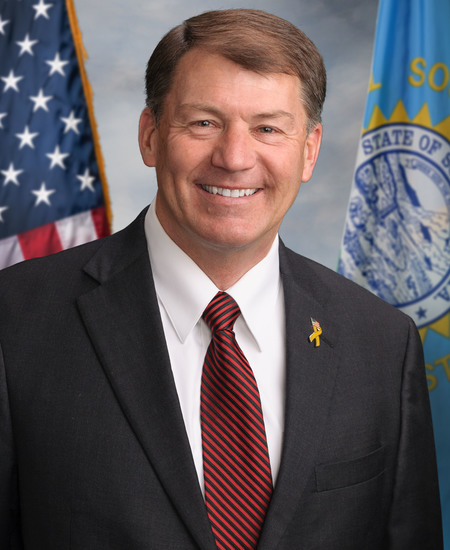 Mike RoundsR · SD · Senate68%
 - 17
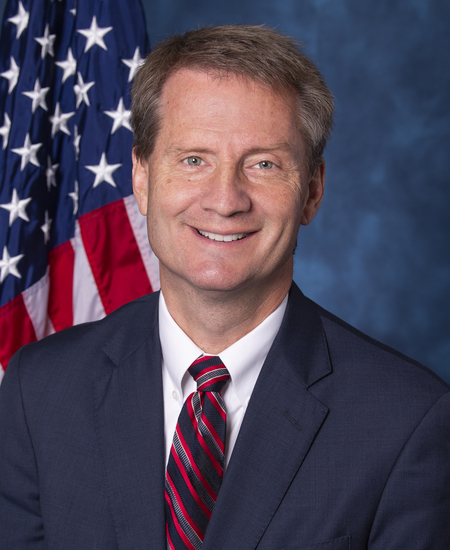 Tim BurchettR · TN-2 · House68%
 - 18
 Jerry MoranR · KS · Senate67%
 - 19
 David P. JoyceR · OH-14 · House67%
 - 20
 Mike LeeR · UT · Senate67%
 - 21
 Christopher A. CoonsD · DE · Senate67%
 - 22
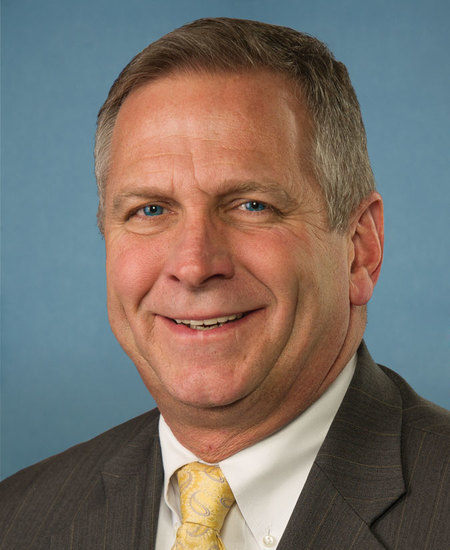 Mike BostR · IL-12 · House67%
 - 23
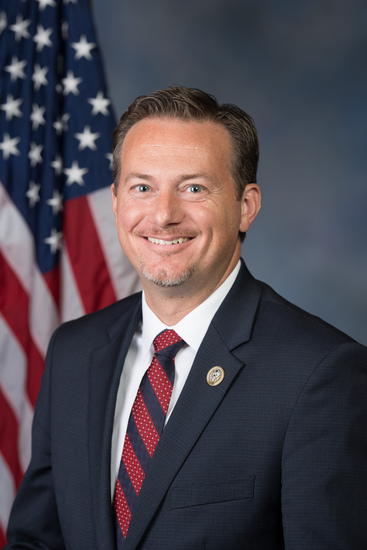 Michael CloudR · TX-27 · House67%
 - 24
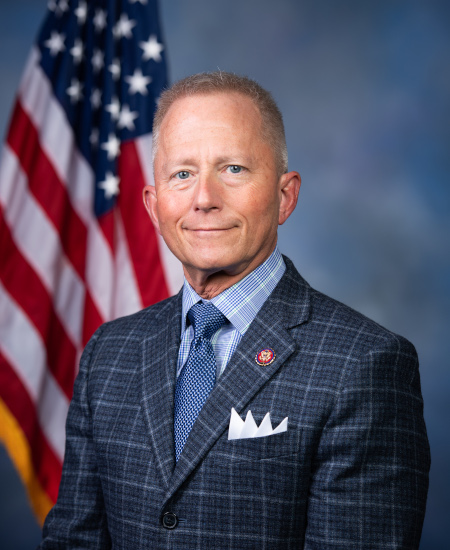 Jefferson Van DrewR · NJ-2 · House67%
Where it sits on the political map
Each small dot is a current member (Dem · Rep); the larger dots are the party platforms. Economic axis: taxes, healthcare, labor, energy. Social axis: abortion, guns, immigration, civil rights, crime.