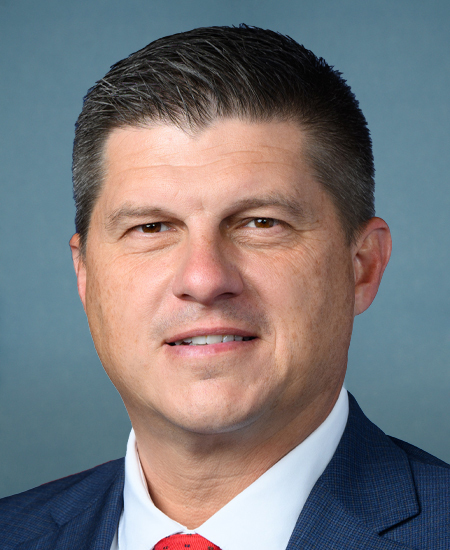
Brad Finstad
Republican · MN-1 · U.S. House
MN-1 — U.S. House
Likely R 86%Brad Finstad is on the ballot. Democratic nominee TBD vs. Brad Finstad.
Bio
Bradley Howard Finstad is an American politician serving since 2022 as the U.S. representative for Minnesota's 1st congressional district. Finstad represents a section of southern Minnesota along the border with Iowa. A member of the Republican Party, he served in the Minnesota House of Representatives from 2003 to 2009.
Full bio on Wikipedia →Record of service
- In office
- 4.1 years
- First took office
- 2022 (3 terms)
- Seniority
- 291 of 439 by time served
- Age
- 50
- Rochester, MN · 507-577-6140
- New Ulm, MN · 507-577-6151
Service history, offices and identifiers from unitedstates/congress-legislators (public domain). Years served sum each term rather than subtracting the first start date, so a break in service is not counted as time in office.
Reported net worth
- Assets
- $1.6M – $6.4M
- Liabilities
- $50k – $100k
- Net worth
- $1.5M – $6.4M
- Since 2022
- −$3.2M
Largest holdings in the 2025 filing · 11 assets reported
Largest first, capped at 40 line items. Each is the asset's reported value bracket, not the income it produced.
From annual financial disclosures, which report every asset and debt as a bracket — so these are ranges, and the figure shown is their midpoint. A primary residence is not a reportable asset while its mortgage is a reportable debt, which pushes some members negative. How this is calculated →
Overall lean (DW-NOMINATE)
Issue profile
Each issue runs left ↔ right, scored from how the member voted on bills tagged to that issue (−1…+1). Issues with too few votes are blank. Overall lean uses DW-NOMINATE.
How they score against the parties
Brad Finstad's voting record compared with each party's national platform, issue by issue — the same similarity score used across the site.
On the political map
Brad Finstad (the large ringed dot) among every current member of Congress and the party platforms.
Each small dot is a current member (Dem · Rep); the larger dots are party platforms — click one for its closest members. Economic axis: taxes, healthcare, labor, energy. Social axis: abortion, guns, immigration, civil rights, crime.
Do you vote like Finstad?
Answer a few questions on the issues and see which members of Congress — and which party — actually line up with you.
Caucuses & committees
Where Finstadsits in Congress's own organization — each group's lean is computed from its members' voting records. Explore them all on the caucuses and committees pages.
Caucuses
- Republican Study Committeestrongly right · 141 members
Committees
- House Committee on Agriculturecenter · 53 members
- House Committee on Armed Servicescenter · 57 members
- House Committee on Small Businesscenter · 26 members
Most and least aligned members
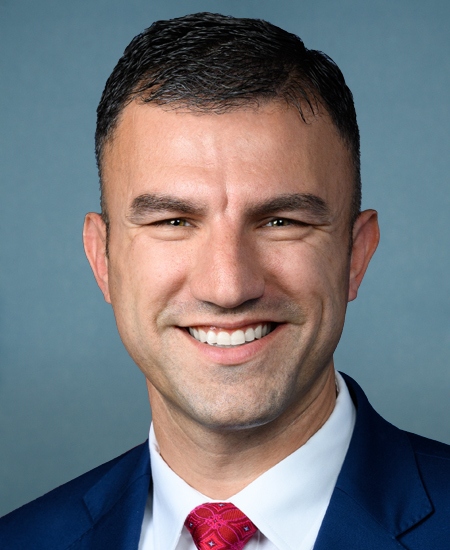
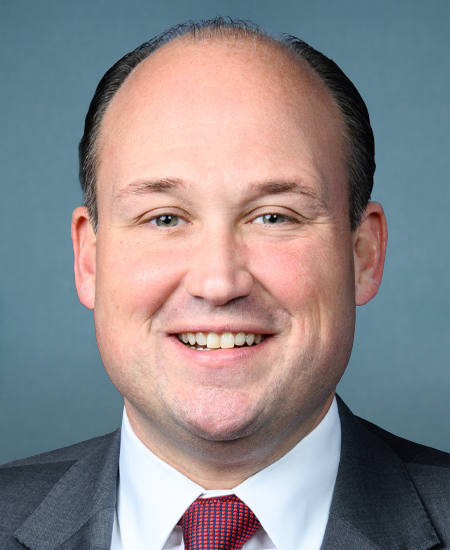
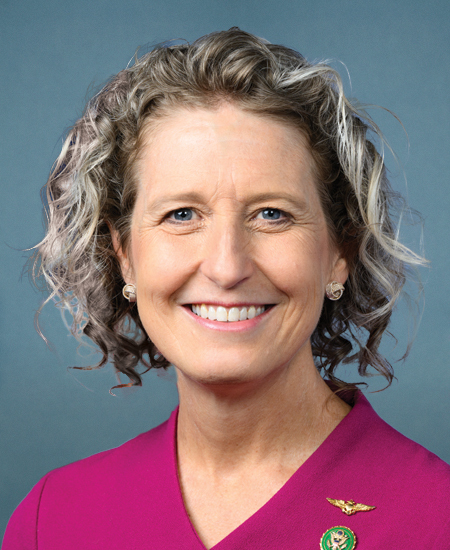
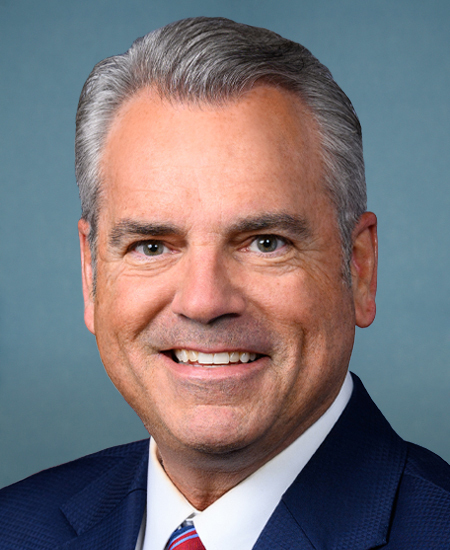
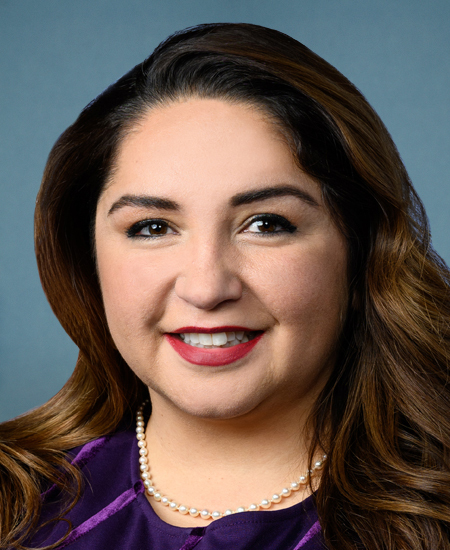
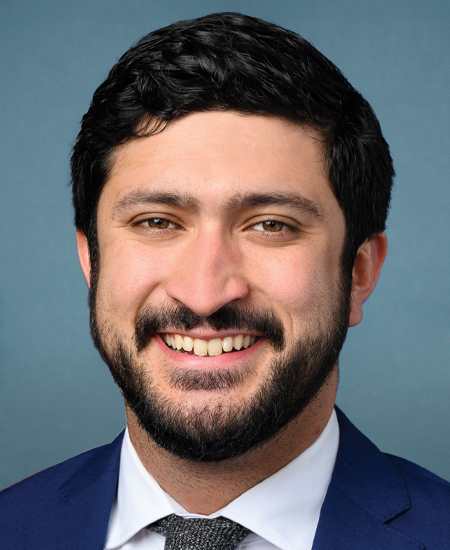
Treating Finstad's 14 issue scores as a vector, cosine similarity measures whether two voting records point the same way (+100%) or in opposite directions (−100%) — the colleagues whose records align most and least with theirs.



Recent notable votes
Latest news
 GOP Rep. Brad Finstad Runs Attack Ad That Erases Critical Voter From Photo
“What a poor decision,” Beth Benike said of her congressman altering her photo with Democrat Jake Johnson to make a fake image of Minnesota Gov. Tim Walz.
HuffPost · October 8, 2026 Republican survives primary on Tim Walz's old congressional turf as Dems eye seat flip
Brad Finstad faced challengers Gregory Goetzman and Oliver Morlan in the Minnesota 1st Congressional District Republican primary on Tuesday.
Fox News · August 12, 2026 Congressmen Call on Walz, Ellison to Resign
The four Republican House members from Minnesota, Tom Emmer, Pete Stauber, Michelle Fischbach and Brad Finstad, have called on Governor Tim Walz and Attorney General Keith Ellison to resign in the wake of the House Oversight Committee’s scathing report on fra…
Power Line · June 10, 2026 Minnesota Republican brutally mocked for copy-paste blunder on social media
A Minnesota Republican lawmaker faced mockery and humiliation on Monday after he completely screwed up his social media statement on talks between Gov. Tim Walz and President Donald Trump to de-escalate the federal crackdown in Minneapolis.Rep. Brad Finstad, …
Raw Story · January 27, 2026
Recent coverage via NewsAPI, refreshed daily.